
Your Dream Coastal Pool: A Guide to Navigating Coastal Commission Rules for Upgrades
Living in one of Orange County’s beautiful beach cities means enjoying the best of the SoCal lifestyle. A sparkling, modern pool is the centerpiece of that dream, a place for family fun and quiet relaxation. But when it’s time to upgrade that backyard oasis, homeowners along the coast face a unique challenge: the California Coastal Commission. The thought of navigating complex regulations can be daunting, often leading to project delays and uncertainty. This guide will demystify the process, helping you understand the rules so you can move forward with your pool renovation confidently.
What is the Coastal Commission and Why Does It Affect Pool Projects?
Established to protect and preserve California's coastline, the Coastal Commission reviews development projects within the designated "Coastal Zone." While its mission is crucial for maintaining our beautiful shoreline, its oversight can extend right into your backyard. Many homeowners are surprised to learn that what seems like a simple upgrade can require the Commission's approval.
Why does your pool matter to them? The Commission looks at several factors:
- Public Access and Views: They ensure that new construction doesn't block public access to the coast or obstruct scenic views from public areas.
- Environmental Impact: Projects are reviewed for their effect on local habitats, water runoff, and geological stability. This includes the materials you use and how you manage drainage.
- Visual Consistency: The Commission aims to maintain the natural and aesthetic character of the coastal area.
Even seemingly minor changes, like expanding a deck, adding a new water feature, or installing significant lighting, can trigger a review if they alter the landscape's appearance or environmental footprint.
Common Pool Upgrades That May Require Approval
While every project is unique, certain types of pool renovations are more likely to fall under the Coastal Commission's jurisdiction. It’s not just about building a new pool; significant modifications to an existing one often require a permit. Understanding this upfront can save you from major headaches and potential fines.
Here are some popular upgrades that frequently require a closer look:
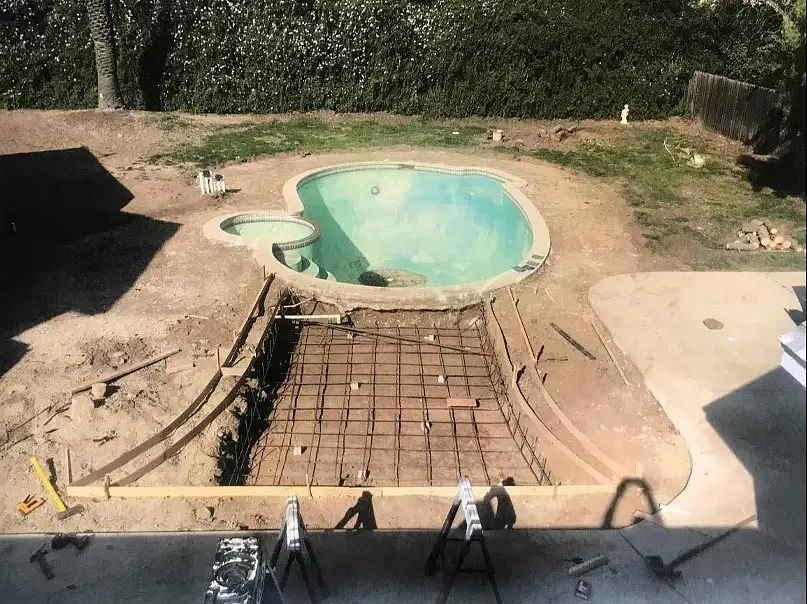
- Major Pool Transformations: This includes changing the size, shape, or depth of your existing pool shell. These are significant structural changes that the Commission will want to review.
- New Decking and Hardscaping: Expanding your pool deck, building retaining walls, or adding large patios can alter drainage patterns and the visual landscape, making them subject to review.
- Adding Custom Features: Installing substantial new elements like waterfalls, grottos, spas, or fire pits can be considered new development that requires a permit.
- Grading and Landscaping: Significantly altering the slope of your yard or removing native vegetation as part of your pool project will almost certainly require approval.
It's crucial to work with a contractor who understands these nuances. An experienced professional can assess your plans and determine whether a Coastal Development Permit (CDP) is necessary before any work begins.
The Approval Process: What to Expect
Navigating the permit process can feel overwhelming, but it becomes manageable when broken down into steps. A seasoned general contractor will handle the heavy lifting, but knowing the roadmap helps you stay informed and prepared.
- Initial Assessment & Consultation: The first step is a thorough evaluation of your property and project goals. An expert will identify if your home is in the Coastal Zone and if your planned upgrades are significant enough to require a permit.
- Preparing the Application: This is the most critical phase. It involves creating detailed site plans, architectural drawings, and reports that address the Commission's key concerns. This may include drainage plans, geological reports, and visual impact studies. Accuracy and completeness are vital to avoid delays.
- Submission and Review: Once submitted, the application is reviewed by Commission staff. They may request additional information or modifications to your plan to ensure it complies with coastal regulations. This is where having a professional who can communicate effectively with the agency is invaluable.
- Hearing and Decision: For larger projects, a public hearing may be required where the Commission votes on your permit. For smaller, less impactful projects, an administrative permit might be issued by staff without a full hearing.
This process requires patience and expertise. Trying to manage it alone can lead to costly mistakes and significant delays, turning your dream project into a source of stress.
Tips for a Smoother Permitting Experience
While the process is rigorous, it doesn't have to be a nightmare. Proactive planning and the right approach can make a significant difference.
- Plan Far in Advance: The Coastal Commission process takes time—often several months. Start the planning and permitting process long before you hope to break ground.
- Embrace Sustainable Design: The Commission favors projects that are environmentally conscious. Incorporating features like permeable pavers for decking, energy-efficient pool equipment, and drought-tolerant landscaping can be viewed favorably.
- Be Prepared to Compromise: Sometimes, minor adjustments to your design—like shifting the location of a feature or using different materials—can be the key to securing an approval.
- Hire an Experienced Local Professional: This is the single most important step. A contractor with a proven track record of getting projects approved by the Coastal Commission in The OC understands the specific requirements, has relationships with agency staff, and knows how to present your project in the best possible light. They manage the paperwork, coordinate with engineers and architects, and represent your interests, ensuring your project adheres to all regulations.
Let's Build Your Coastal Dream, the Right Way
Upgrading your pool is one of the best investments you can make in your coastal home, enhancing both its value and your enjoyment. While navigating the Coastal Commission adds a layer of complexity, it shouldn't stop you from creating the backyard of your dreams. With careful planning and expert guidance, you can successfully move through the process and achieve a stunning result that you and your family will enjoy for years to come.
If you're considering a pool upgrade in the Orange County area and want a partner who can manage the entire project from design to final inspection, we're here to help. At Blue Whale Pools, we have the expertise to handle complex renovations, including navigating the permitting process for you. Contact us today to schedule a consultation and let's discuss your vision for a complete pool transformation.