
Is Your Pool Past Its Prime? 5 Signs It's Time for Immediate Resurfacing
Your swimming pool is the heart of your backyard, a place for relaxation and making memories with family and friends. Here in the Inland Empire, a pool is more than a luxury; it's a centerpiece of the SoCal lifestyle. But over time, the constant exposure to sun, chemicals, and use can take a toll on its surface. Ignoring the early warning signs of wear and tear can lead to bigger, more expensive problems down the road.
So, how do you know when simple maintenance is no longer enough? If you've noticed your pool isn't looking or feeling its best, it might be sending you clear signals that it's time for a professional resurfacing. Recognizing these signs early can protect your investment, ensure safety, and restore your backyard oasis to its former glory. Let's dive into the five key indicators that your pool needs immediate attention.
1. Stubborn Stains and Widespread Discoloration
One of the first and most obvious signs of an aging pool surface is staining that you can't scrub away. While some minor discoloration can be caused by leaves or algae, widespread or deep-set stains are a different story. These are often the result of chemicals and minerals like copper, iron, and calcium leaching through the worn-out plaster.
When the protective top layer of your pool's finish erodes, it becomes porous, allowing these substances to penetrate and create unsightly blemishes. You might see patches of brown, green, or black that no amount of brushing or chemical treatment can fix. This isn't just a cosmetic issue; it's a clear indication that the structural integrity of your pool's surface is compromised and failing to act as a proper barrier.
2. Rough Texture and Uncomfortable Surfaces
Do you or your guests complain about scraped feet or snagged swimsuits after a dip in the pool? This phenomenon, sometimes called "pool rash," is a direct result of a deteriorating surface. As plaster ages, it can become rough, gritty, and abrasive. What was once a smooth, inviting surface now feels like sandpaper.
This roughness is caused by the erosion of the plaster, exposing the sharper, harder aggregate underneath. Not only is it uncomfortable and potentially unsafe for swimmers, but it also creates an ideal environment for algae to grow, making pool maintenance much more difficult. A smooth, properly finished surface is essential for both comfort and cleanliness. If your pool floor and walls are no longer pleasant to the touch, it's a strong signal that a resurfacing project is in order.
3. Flaking, Peeling, or Bubbling Plaster (Delamination)
If you see spots where the pool's surface is flaking, chipping, or peeling away, you're likely dealing with delamination. This is a serious issue that occurs when the top layer of your pool's finish separates from the concrete (gunite or shotcrete) shell beneath it. You might notice small chips at the bottom of the pool or see visible bubbles and blisters forming on the walls.
Delamination is a critical problem because it allows water to seep behind the plaster, which can cause extensive structural damage over time. These pockets of water can weaken the bond even further, leading to large sections of the finish breaking off. This is not a problem that will fix itself; it requires immediate professional intervention to prevent the damage from spreading and to protect the core structure of your pool.
4. Noticeable Leaks and Dropping Water Levels
Is your pool losing more water than can be explained by simple evaporation? While a small amount of water loss is normal, a consistent drop could signal a leak. One of the common culprits behind pool leaks is cracks in the aging plaster. Even hairline cracks can allow a significant amount of water to escape over time.
To check for a leak, you can perform a simple "bucket test": place a bucket on a pool step, fill it with pool water to match the pool's water level, and mark the water line on both the inside and outside of the bucket. After 24 hours, compare the two levels. If the pool's water level has dropped more than the water inside the bucket, you likely have a leak. These cracks compromise the watertight seal of your pool, and addressing them often requires a full resurfacing to create a new, seamless barrier.
5. Your Pool Simply Looks Dated
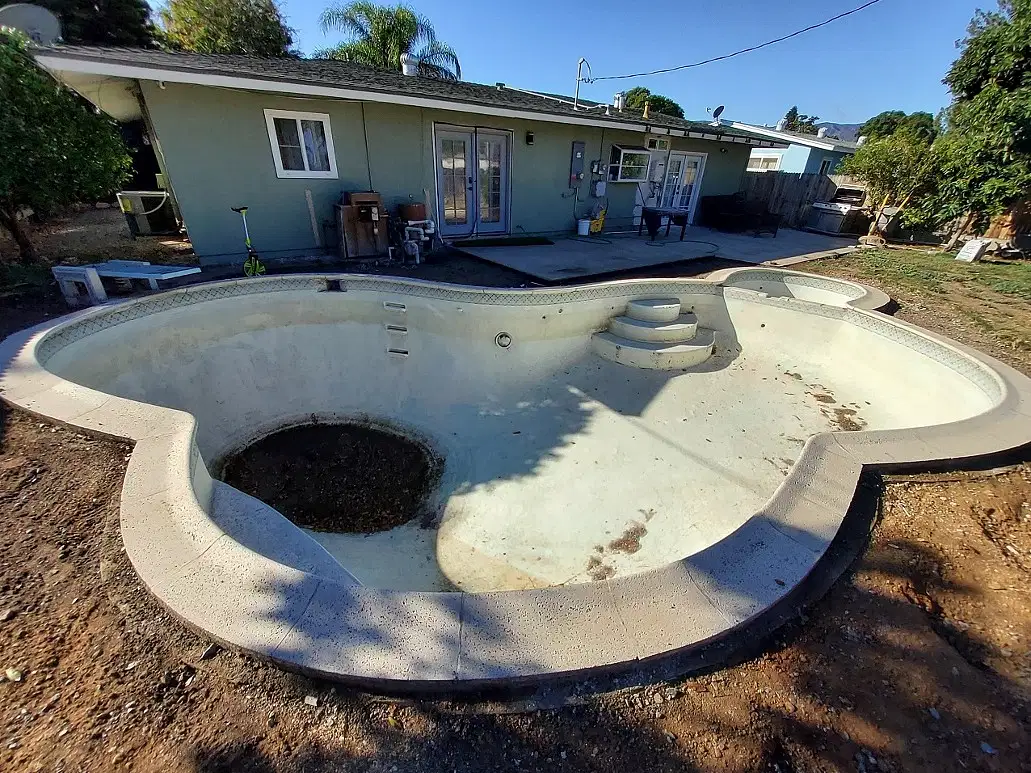
Sometimes, the need for resurfacing isn't about failure, but about evolution. Pool design and material technology have come a long way. If your pool was built decades ago, its plain white plaster and simple tile might look tired and outdated compared to modern backyard designs.
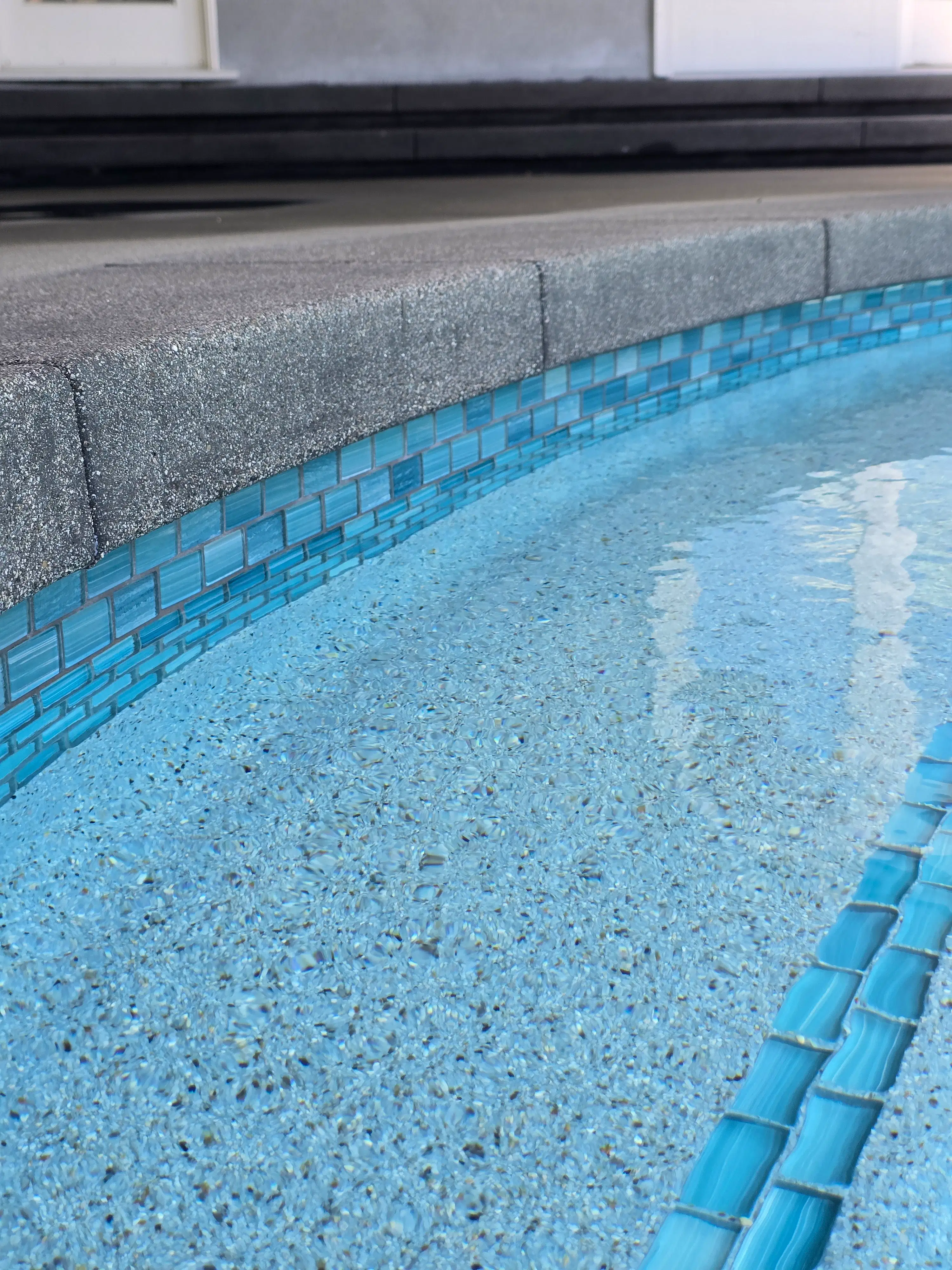
A resurfacing project is the perfect opportunity for a complete pool transformation. You can upgrade from traditional plaster to more durable and beautiful modern finishes like pebble, quartz, or polished aggregates. These materials not only last longer but also come in a stunning array of colors and textures that can dramatically enhance the look and feel of your entire outdoor space. It's a chance to not just repair, but to reinvent your pool.
Restore Your Backyard Oasis with Blue Whale Pools
Noticing any of these signs doesn't have to be a source of stress. Think of it as an opportunity to restore and enhance your valuable investment. From fixing critical issues like delamination and leaks to upgrading to a stunning new pebble finish, a professional resurfacing can breathe new life into your pool, making it safer, more beautiful, and easier to maintain for years to come.
If you're seeing the signs and are ready to explore your options, the team at Blue Whale Pools is here to help. We specialize in complete pool transformations for homeowners throughout the Inland Empire. Contact us today for a professional assessment and let's discuss how we can bring your vision for the perfect pool to life.