
Adding Automatic Safety Covers to Existing Pools
For many homeowners in the Inland Empire, a backyard pool is the ultimate luxury and the centerpiece of outdoor family living. However, as families grow and safety standards evolve, many pool owners find themselves looking for ways to make their existing swimming pools safer, cleaner, and more energy-efficient. One of the most effective ways to achieve all of these goals simultaneously is by adding an automatic safety cover.
While installing a cover during new construction is straightforward, adding one to an already finished backyard requires a bit more planning and expertise. At Blue Whale Pools, we specialize in seamlessly integrating modern technology and safety features into older spaces. Whether you are tired of scooping leaves after a windstorm or you want the peace of mind that comes with a secure barrier, upgrading your pool with an automatic cover is a transformative decision for your home.
In this guide, we will walk you through everything you need to know about retrofitting an automatic safety cover on your existing pool, from technical requirements to budgeting for the project.
Why Add an Automatic Safety Cover?
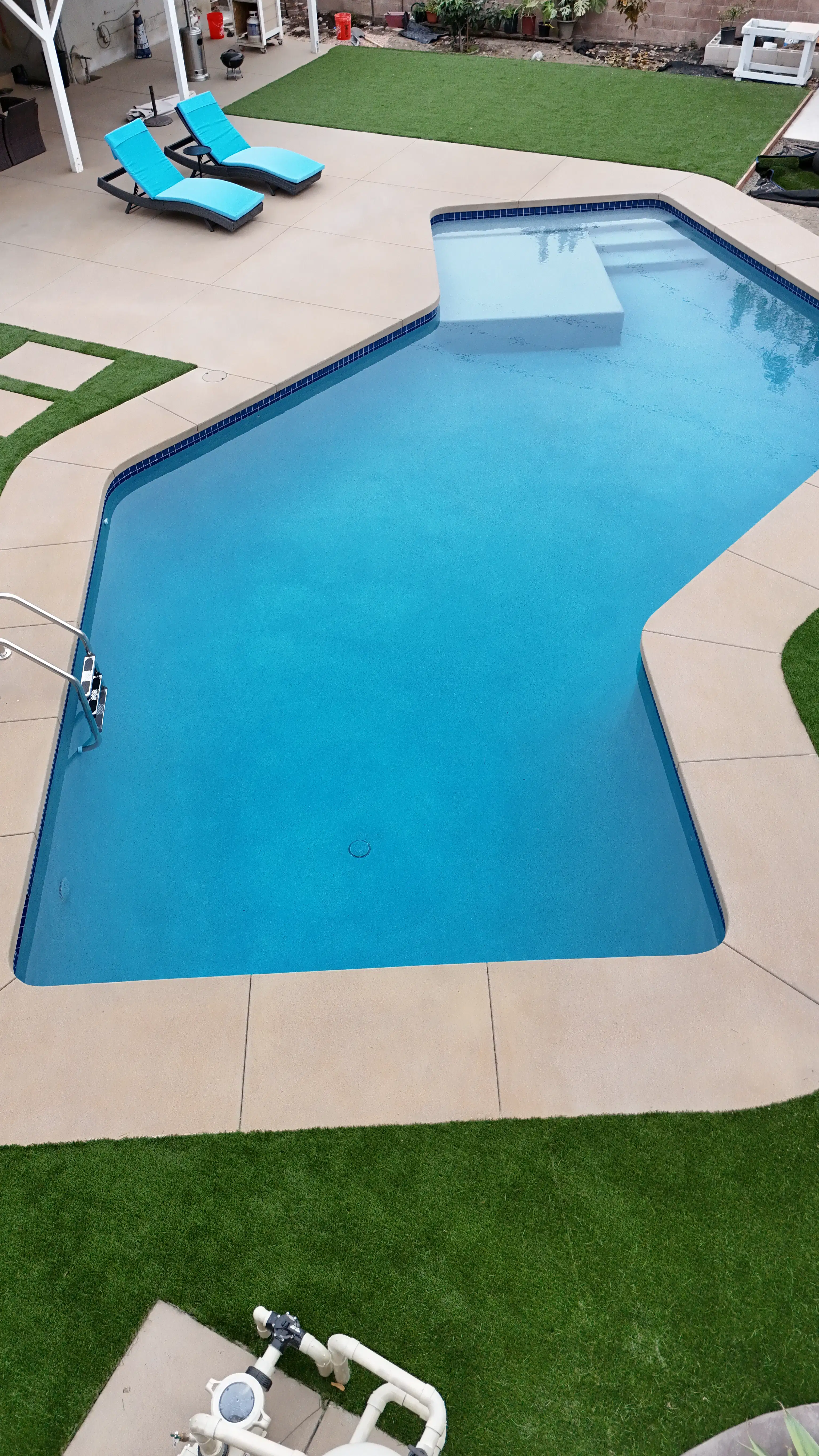
The primary reason homeowners consider an automatic cover is safety. Navigating local building codes and strict safety compliance can be daunting, and failure to secure your pool properly can lead to liabilities or costly fines. An automatic safety cover acts as a horizontal fence, capable of supporting the weight of a child or pet, providing unparalleled peace of mind when the pool is not in use.
Beyond safety, these covers offer incredible efficiency benefits. Living in SoCal means dealing with high temperatures that cause rapid water evaporation, as well as the occasional June Gloom that can sap the heat right out of your water. An automatic cover traps heat, reduces chemical loss, and practically eliminates water evaporation. By retaining heat, it significantly reduces the workload on your pool heater.
When you pair a new cover with other Pool Equipment Upgrades, such as an energy-efficient variable-speed pump or a smart automation system, you can see a dramatic reduction in your monthly utility bills. It is an investment that pays daily dividends in convenience and savings.
Navigating the Installation Process
A common concern we hear is whether it is even possible to add a sleek, hidden cover to an older pool. Homeowners frequently ask about retrofitting automatic pool cover on existing gunite pool setups. The good news is that it is absolutely possible, though it requires precise engineering and a thorough understanding of your pool's current structure.
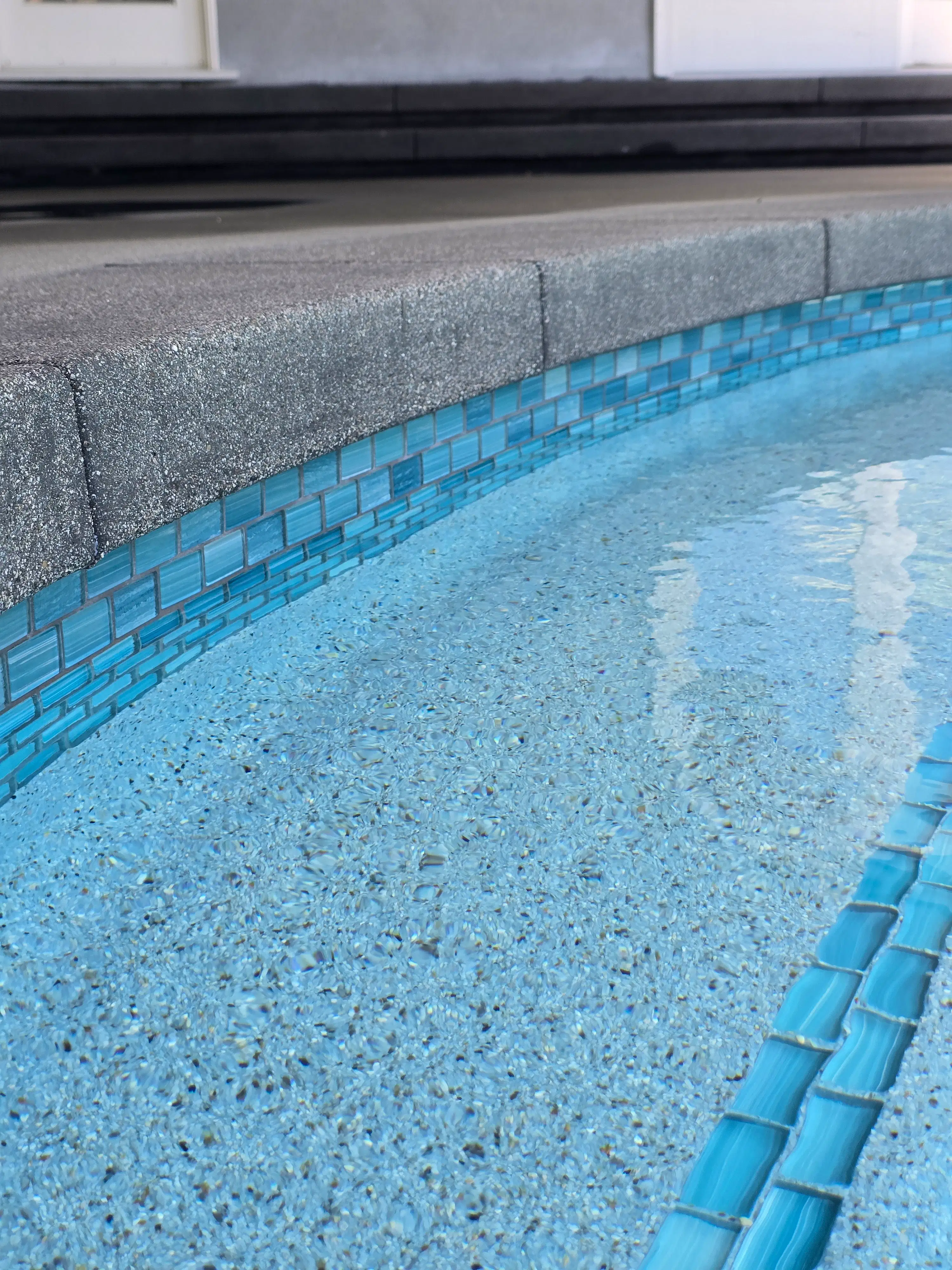
There are generally two ways to add a track to an existing pool: top-track and under-track systems. Top-track systems are mounted directly on top of the existing pool deck. They are highly functional but remain visible. For a cleaner, more modern aesthetic, most clients prefer an under-track system, where the track is hidden beneath the pool's coping.
Meeting under track automatic pool cover installation requirements on a finished pool typically involves modifying or completely replacing the existing pool coping. The track must be perfectly level and parallel to function without jamming. Because of the necessary deck and coping modifications, this installation is often the perfect time to undertake larger Pool Transformations. Upgrading your tile, updating your coping to a modern cantilevered edge, and installing the cover mechanism all at once minimizes disruption to your backyard and ensures a flawless, integrated finish.

Breaking Down the Investment
Understanding the financial side of a renovation is critical. We know that inaccurate project estimating can be a major pain point for homeowners, which is why we prioritize transparent pricing and clear communication. When determining the cost to install recessed automatic pool cover systems, several factors come into play.
The price will depend on the size and shape of your pool, the type of track system you choose, and the extent of the deck or coping modifications required. Because a recessed cover involves cutting into or replacing existing masonry to house the motor and tracks, the upfront labor and material costs are higher than a simple top-track installation. However, the aesthetic payoff and the long-term energy savings make it a highly worthwhile investment for your property value.
While planning your budget, you might also consider adding unique custom features like new deck lighting, a sheer descent waterfall, or automated chemical management. Bundling these upgrades during the cover installation process is highly cost-effective, saving you time and future construction costs.
Ready to Upgrade Your Pool?
Adding an automatic safety cover to your existing pool is one of the smartest upgrades you can make. It protects your family, lowers your maintenance time, and drastically cuts down on your energy and water usage.
At Blue Whale Pools, our team of licensed professionals has the expertise to handle complex retrofits, ensuring your new cover operates flawlessly while enhancing the beauty of your backyard. If you are ready to explore your options and get an accurate, transparent estimate for your project, visit our contact page today. Let's make your pool safer and more efficient for the seasons ahead.